Dental Veneers: Who Is a Good Candidate and What Can They Fix?
You may not dislike your smile. You may simply wish one or two things looked different.
Perhaps one front tooth is chipped. Maybe years of tea and coffee have left your teeth darker than you would like. Perhaps there is a small gap that has always caught your attention in photos. Or maybe your teeth are healthy, but their shape or size does not quite match the smile you have in mind.
That is where dental veneers can come into the conversation.
Veneers can make a noticeable difference to the appearance of teeth, but they are not a universal solution for every smile. They are also not simply something that can be added whenever someone wants whiter or straighter-looking teeth. Your teeth and gums need to be healthy first, and the right treatment depends on what is actually causing the problem.
So, who is a good candidate for dental veneers? What can veneers fix, and what can they not fix? And are porcelain veneers always the right choice?
Let’s take a closer look.
What Are Dental Veneers?
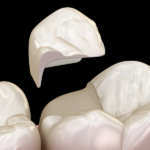
Dental veneers are thin, custom-made coverings placed over the front surface of teeth. They are usually made from porcelain or tooth-coloured composite resin.
Unlike a dental crown, which covers the entire tooth, a veneer mainly changes the visible front surface. This makes veneers particularly useful for cosmetic concerns involving the shape, colour or appearance of otherwise suitable teeth.
The word “cosmetic” can sometimes make veneers sound superficial. In reality, people often consider them because a small dental imperfection has bothered them for years. A single chipped front tooth can affect how someone smiles. A noticeable gap can make a person hesitant to appear in photographs. Discolouration may remain even after conventional whitening.
Veneers can address some of these concerns, but the goal should be a healthy, natural-looking smile rather than simply making every tooth look perfectly uniform.
What Can Dental Veneers Fix?
This is usually the first question people have, and the answer is broader than simply “yellow teeth”.
Veneers may be used to improve several cosmetic concerns.
1. Chipped or slightly broken teeth
A small chip on a front tooth can be surprisingly noticeable, especially when it changes the symmetry of your smile.
A veneer can cover certain chips or changes in tooth shape and create a more even appearance. However, not every broken tooth should receive a veneer. If a tooth has significant structural damage, a filling, bonding, crown or another restorative treatment may be more appropriate.
The important distinction is whether the problem is mainly cosmetic or whether the tooth also needs substantial protection and structural repair.
2. Stains and stubborn discolouration
Teeth whitening can work well for many types of tooth staining, but it does not correct every kind of discolouration.
Some stains may respond poorly to whitening, while discolouration caused by certain medications, injuries or changes within the tooth may not improve sufficiently with bleaching. Veneers can sometimes mask these persistent colour changes.
That does not mean veneers should automatically be chosen instead of whitening. If whitening could achieve the desired result without altering the tooth structure, it may be a simpler option.
3. Small gaps between teeth
A small gap, medically called a diastema, can sometimes be closed visually with veneers.
However, the reason for the gap matters. Some gaps are simply a natural feature of the teeth, while others can be associated with gum disease or tooth positioning. Larger spaces may be better managed with orthodontic treatment rather than covering the teeth with veneers.
This is one reason a dental examination should come before deciding on cosmetic treatment.
4. Misshapen or uneven-looking teeth
Some teeth may naturally look too narrow, unusually shaped or smaller than neighbouring teeth.
Veneers can alter the visible shape and proportions of suitable teeth to create a more balanced appearance. This is one of the situations where veneers can be useful because they change the shape of the visible tooth without requiring the entire tooth to be replaced.
5. Mild cosmetic irregularities
Veneers can sometimes make slightly uneven-looking teeth appear more uniform.
But there is an important limitation here.
Veneers do not physically move teeth into new positions. If the main problem is significant crowding, a pronounced bite problem or substantial misalignment, orthodontic treatment may be more suitable.
Trying to use veneers to hide a problem that really requires orthodontic or restorative care can create an unnecessarily invasive treatment plan.
So, Who Is a Good Candidate for Dental Veneers?
There is no single age, appearance or smile type that automatically makes someone a veneer candidate.
A good candidate is generally someone who has a specific cosmetic concern, good overall oral health and realistic expectations about what veneers can achieve.
Your dentist will usually look at several things before recommending treatment.
Healthy teeth and gums
This comes first.
Active tooth decay or untreated gum disease should generally be addressed before cosmetic veneer treatment. Placing veneers over unhealthy teeth does not solve the underlying dental problem and may make future treatment more complicated.
That means a person who wants veneers may first need treatment for cavities, gum problems or other oral health concerns.
This can feel like an extra step, especially when the main concern is appearance. But healthy foundations matter more than the cosmetic finish.
Enough suitable tooth structure
A dentist also needs to assess the condition and structure of the tooth.
Traditional porcelain veneers generally involve removing a small amount of enamel from the front of the tooth to make room for the restoration and create a surface for bonding. Because enamel is removed, conventional veneer treatment is generally considered irreversible.
This is an important point to understand before agreeing to treatment.
A veneer should not be treated like a temporary accessory that can simply be removed whenever you change your mind.
A clear cosmetic concern
Veneers tend to make the most sense when there is a specific issue you want to address, such as persistent discolouration, chips, small gaps or tooth shape.
During a consultation, your dentist can assess whether veneers are actually the best way to solve that concern or whether another treatment could achieve a similar result with less alteration to the teeth.
Realistic expectations
No two natural teeth are exactly the same, and no cosmetic treatment can guarantee a completely perfect smile.
Good treatment planning considers the patient’s facial features, existing teeth, gum line, tooth proportions, shade and bite rather than simply choosing the brightest possible colour.
The aim should be a smile that looks natural and suits you, not one that looks obviously artificial.
Who May Not Be a Good Candidate for Veneers?
This is just as important as knowing who may benefit from them.
Veneers may not be appropriate, or may need to be delayed, when certain dental problems are present.
Untreated cavities
A cavity should not simply be hidden underneath a cosmetic restoration.
The decay needs to be diagnosed and treated first. Depending on the extent of damage, the tooth may eventually need a filling, crown, root canal treatment or another form of restoration rather than a veneer.
Active gum disease
Healthy gums are important for both oral health and the appearance of cosmetic dental work.
Red, swollen or bleeding gums need proper assessment and treatment. More advanced gum disease can affect the tissues and bone supporting the teeth, so cosmetic treatment should not take priority over periodontal health.
Significant teeth grinding or clenching
If you regularly grind or clench your teeth, veneers may be more vulnerable to damage.
The ADA specifically notes that people who clench or grind their teeth may not be good candidates for veneers, depending on their situation. Your dentist may discuss ways to manage the grinding before considering cosmetic treatment.
Deep overbite or significant bite problems
The way your upper and lower teeth come together matters.
A deep overbite or other substantial bite issue may place excessive forces on veneers or make the treatment unsuitable. In such cases, orthodontic or other dental treatment may need to come first.
Severely damaged or weakened teeth
A veneer mainly changes the front appearance of the tooth. It is not designed to provide the same full coverage and structural protection as a crown.
For a badly damaged or weakened tooth, a crown may be the more appropriate restoration because it covers more of the tooth and is intended to restore strength as well as appearance.
Porcelain Veneers vs Composite Veneers
The choice is not simply about which option looks better.
Porcelain and composite veneers work differently and come with different considerations.
Porcelain veneers are thin, custom-made shells fabricated to fit the tooth. They are known for their natural appearance and resistance to staining. Traditional porcelain veneers usually require some enamel preparation and are bonded to the teeth after fabrication.
Composite veneers are made using tooth-coloured resin that is bonded and shaped directly on the tooth. They may require less enamel removal and can often be completed in fewer visits. They are also generally easier to repair if damaged, although they are not as resistant to staining and wear as porcelain.
Neither material is automatically right for everyone. Your dentist needs to consider the condition of the teeth, the cosmetic goal, bite forces, maintenance expectations and how much tooth preparation is appropriate.
What Happens During Veneer Treatment?
The process varies depending on the material and the number of teeth being treated, but it normally begins with an examination rather than immediately preparing the teeth.
Step 1: Examination and planning
Your dentist examines your teeth and gums and discusses what you would like to change.
This may include checking existing restorations, tooth colour, tooth shape, bite, gum condition and the amount of healthy tooth structure available.
Step 2: Choosing the treatment
Veneers may be recommended, or your dentist may suggest another approach such as whitening, dental bonding, orthodontic treatment or crowns.
This stage is important because the best-looking solution is not always the least invasive or most suitable one.
Step 3: Tooth preparation
For traditional porcelain veneers, a small amount of enamel is generally removed from the front and sides of the tooth.
The dentist may then use impressions or digital scanning to create a model for the custom restoration.
Step 4: Shade, shape and fit
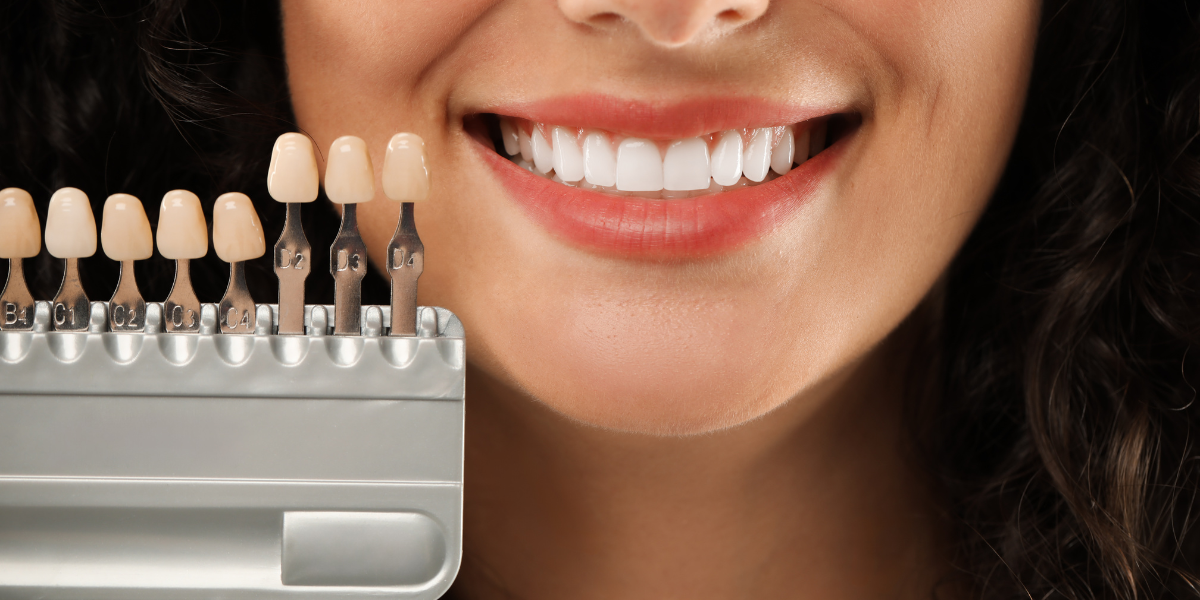
Colour, size and shape are carefully considered before the final veneers are bonded.
A good result is not just about making teeth whiter. The restoration needs to fit properly and work with the way you bite and speak.
Step 5: Bonding
Once the veneers are ready and the fit is checked, the dentist bonds them to the prepared tooth surface.
Composite veneers follow a somewhat different process because the resin can be bonded and sculpted directly on the tooth before being hardened and polished.
Are Dental Veneers Permanent?
Veneers are long-lasting, but they are not lifetime restorations.
Their lifespan depends on the material, your bite, oral hygiene, habits and general dental care. Cleveland Clinic reports that veneers can last around 10 to 15 years with proper care, while other cosmetic dentistry guidance gives a broader range depending on the treatment and individual circumstances.
Eventually, a veneer may need to be repaired or replaced.
This is another reason to think carefully before treatment. The decision is not just about how your smile looks on the day the veneers are fitted. It is also about whether you are comfortable maintaining them over the years.
What Are the Risks of Dental Veneers?
Veneers are generally designed to be safe when properly planned and placed, but they are still a dental treatment.
Possible problems include sensitivity, chipping, cracking, loosening or wear. Veneers can also fail over time and may need repair or replacement.
There is another misconception worth clearing up: having veneers does not mean the underlying teeth can no longer develop cavities.
The natural tooth underneath and around the veneer still needs proper oral hygiene. You should continue brushing with fluoride toothpaste and cleaning between your teeth every day.
How Do You Take Care of Veneers?
The basic rules are actually quite familiar.
Brush twice a day with fluoride toothpaste and clean between your teeth daily. Continue attending regular dental check-ups so that your dentist can monitor both the veneers and the natural teeth underneath them.
You should also avoid using your teeth to bite hard objects, such as pens or fingernails. If you play contact sports, a suitable mouthguard can help protect your teeth.
People who grind or clench their teeth may also need additional protection or treatment planning to reduce stress on their dental restorations.
And while porcelain is relatively resistant to staining, your natural teeth and some other veneer materials can still be affected by staining habits. Regular dental care remains important.
Veneers vs Whitening, Bonding, Braces and Crowns
One of the biggest mistakes people make is deciding on veneers before understanding the alternatives.
A person with ordinary surface staining may get the result they want from professional teeth whitening without altering the tooth structure.
A small chip may sometimes be repaired with dental bonding, which uses tooth-coloured composite resin and can be more conservative in suitable cases.
A noticeable alignment problem may be better addressed with braces or clear aligners. A dental gap can sometimes be treated with bonding, veneers or orthodontics depending on its size and cause.
A badly damaged tooth may need a crown instead because a crown provides much more coverage and protection than a veneer.
So the real question is not simply:
“Can veneers fix my teeth?”
It is:
“What is the least invasive and most appropriate treatment for the problem I actually have?”
That is a much better question to take into a dental consultation.
What About “No-Prep” or Removable Veneers?
You may come across advertisements for no-prep, minimal-prep or removable veneers online.
These options are not interchangeable with conventional porcelain veneers.
Some minimal-preparation veneers may require less enamel removal, but that does not mean every patient is suitable for them. Cleveland Clinic also notes that even so-called no-prep veneers can still involve some enamel removal.
Removable or snap-on products are different again. They may temporarily change the appearance of a smile, but they do not function like professionally placed dental veneers.
The ADA has also warned about unlicensed “veneer technicians” and unsupervised services because procedures involving tooth structure can lead to complications when there is no proper dental examination or professional oversight.
A bargain price is not a bargain if the underlying tooth is left damaged.
Questions to Ask Before Getting Dental Veneers
Before committing to treatment, it is worth having a proper conversation with your dentist.
Ask what problem the veneers are intended to solve. Ask whether whitening, bonding, orthodontics or another restoration could achieve a similar result. Ask how much enamel needs to be removed, what material is being recommended, how your bite may affect the veneers and what happens if one is chipped or needs replacement.
You should also understand the long-term commitment.
Veneers can create a beautiful change, but they are not a shortcut around oral health. The healthiest smile is still the foundation beneath the cosmetic work.
So, What We Learn from this?
Dental veneers can be a useful cosmetic option for suitable teeth affected by chips, stubborn discolouration, small gaps, misshapen teeth and other appearance-related concerns. But being interested in veneers does not automatically make someone a good candidate.
Healthy teeth and gums come first. Your bite, tooth structure, grinding habits and the actual cause of the cosmetic concern all matter. In some cases, veneers may be the right answer. In others, whitening, bonding, orthodontics or a crown may make more sense.
Most importantly, remember that traditional veneer treatment can involve removing enamel and is generally irreversible. It is a decision worth making with a qualified dentist after a proper examination, not simply after seeing a before-and-after photograph online.
For anyone exploring cosmetic smile treatment, Smile Town can help you assess your options with a trusted cosmetic dentist in Kolkata, based on the condition of your teeth, your goals and what is appropriate for your long-term oral health.
Frequently Asked Questions About Dental Veneers
They can. Modern porcelain and composite materials can be designed to resemble natural teeth, but the final result depends on factors such as colour, shape, translucency, fit and treatment planning.
They can sometimes make mild irregularities appear more uniform, but veneers do not actually move teeth. Significant crowding or bite problems may require orthodontic treatment instead.
Yes, veneers can sometimes close a small gap when the teeth and gums are healthy. However, bonding or orthodontic treatment may be more suitable depending on the size and cause of the gap.
Traditional teeth whitening does not whiten veneers. This is why your dentist needs to discuss the final shade before treatment, particularly if veneers are being placed alongside natural teeth.
Some people may experience temporary sensitivity after treatment, particularly because veneer placement can involve enamel preparation. Your dentist can explain what to expect based on the type of veneer and your teeth.
They still require normal good oral hygiene. Brush twice a day with fluoride toothpaste and clean between your teeth daily. Veneers do not protect the surrounding natural tooth structure from cavities or gum disease.