Hair Fall After Fever Do You Need PRP or Time to Recover
You have recovered from a fever, returned to work and started feeling normal. Then, weeks later, more hair appears in your comb or shower drain. The delay can make it hard to connect the hair fall with the illness.
One possible explanation is telogen effluvium, a temporary increase in shedding after the hair cycle is disrupted. It often improves as the trigger passes. PRP is not automatically the next step, and heavy shedding alone does not tell you which treatment you need.
Why hair fall can start months after the fever
A significant illness, particularly one with high fever, can push more hair follicles into a resting phase. The affected hairs shed later rather than all falling out during the illness itself.
The British Association of Dermatologists describes shedding commonly starting around three months after a trigger. The American Academy of Dermatology notes that normal fullness often returns within six to nine months as the body readjusts, although continuing triggers can prolong the problem. These are broad patterns, not a deadline for your recovery.
The American Academy of Dermatology explains hair shedding after illness, including how it differs from other causes of hair loss.
If you are worried about hair fall after dengue or another fever in Kolkata, tell your clinician when the illness happened. Do not assume that every case of shedding after an infection has the same cause.
What makes an assessment useful
A consultation should look at the pattern and history, not simply the amount of hair in your hand. Tell the clinician about recent illness, weight changes, diet, childbirth, medicines and any family history of thinning.
A widening parting or a receding hairline may suggest pattern hair loss. Temporary shedding and pattern hair loss can also occur together. Smooth bald patches, an inflamed scalp or other unexpected changes need examination rather than self-treatment for presumed telogen effluvium.
Your clinician may consider blood tests when your history suggests a treatable cause such as iron deficiency or a thyroid problem. There is no reason to order every available hair-loss test without first discussing what the results would change.
Take dated photographs of your parting or hairline in similar lighting. They can make the consultation more concrete. Bring the names of supplements and medicines you already use, including products bought online.
Where PRP may fit and where it may not
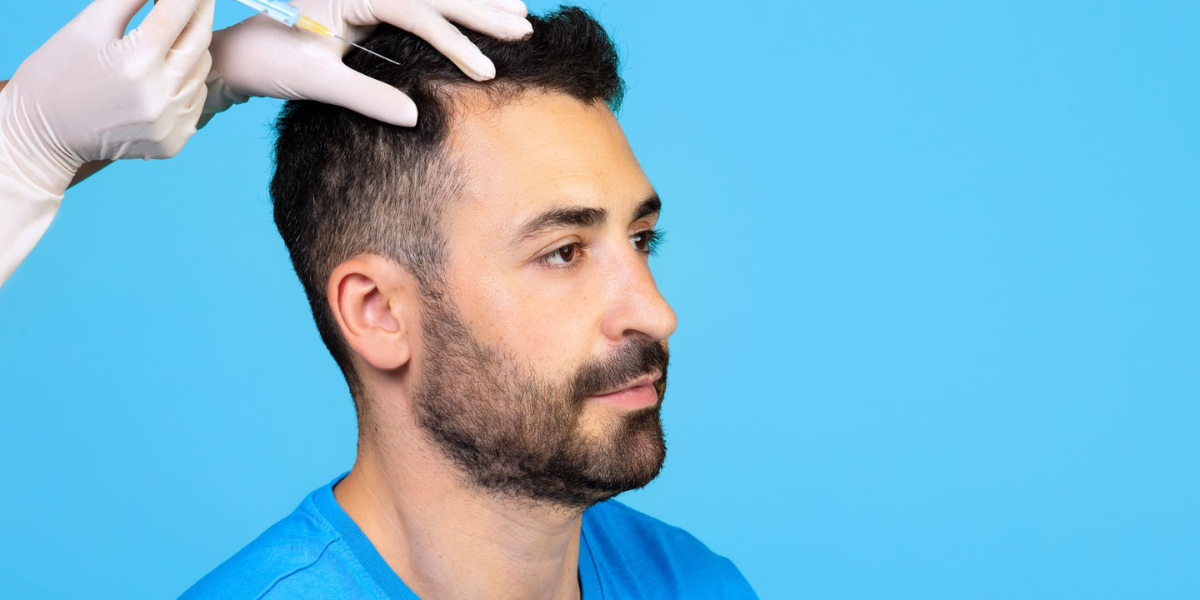
PRP involves taking a blood sample, preparing a platelet-rich portion and injecting it into the scalp. The injections can cause discomfort, and the cost and expected benefit should be discussed before treatment.
Research on PRP includes evidence of benefit for some people with hair loss, particularly pattern hair loss, but protocols and results differ. A 2025 systematic review analysed 43 randomised trials involving 1,877 participants across alopecia conditions. It reported improvement in hair density overall, with variation between studies and no significant overall benefit for hair thickness. That does not establish that someone with short-term shedding after fever needs PRP.
For temporary telogen effluvium, identifying ongoing triggers and supporting recovery usually come first. If PRP is proposed, ask which diagnosis it is intended to treat and what benefit is expected beyond natural recovery. Smile Town’s hair treatment information lists hair PRP and transplantation among its services; suitability needs a separate clinical decision.
Practical care while the cause is being assessed
Handle your hair gently. Avoid vigorous brushing, harsh scalp massage and hairstyles that pull tightly. Keep meals regular and include protein foods you normally eat, such as dal, eggs, fish, paneer or soya. Correcting a confirmed deficiency is more useful than buying several supplements without knowing whether you need them.
Do not stop a prescribed medicine because you suspect hair fall. Ask the prescriber whether it could be relevant and what alternatives, if any, are appropriate.
Make a short timeline before your appointment: the date of the fever, when shedding became noticeable and any changes to weight, medicines or diet. If you live near Dankuni, you can also review Smile Town’s hair and skin services in Dankuni and ask about consultation availability before travelling.
When to arrange a hair consultation
You do not have to wait six months if the shedding is worrying you. Seek assessment sooner for patches, scalp symptoms, visible progression or uncertainty about the cause. Shedding lasting beyond six months is described as chronic and deserves a review for continuing triggers or another diagnosis.
Before committing to a treatment course, ask for the diagnosis, proposed approach, likely follow-up and total cost. Ask how progress will be assessed. A useful plan should explain what would happen if you do not improve as expected.
Questions about hair fall after illness
A haircut can change how your hair looks and make daily care easier, but it does not correct the follicle-cycle change behind telogen effluvium.
Temporary diffuse shedding is different from a stable area of pattern hair loss. Establish the diagnosis before considering surgery. A transplant does not address an unresolved trigger for shedding.
No. Illness is a possible trigger, not a prediction that everyone will develop noticeable shedding.
Hair care at Smile Town Dental and Aesthetic Clinic
Smile Town Dental & Aesthetic Clinic is a dental and aesthetic clinic in Kolkata, residents can contact about dental and aesthetic services, including hair consultations. Explain that your concern is hair shedding after illness and ask which clinician should assess it. Discuss the diagnosis and recovery pattern before choosing PRP or any other procedure.