
Bleeding Around a Dental Implant When You Need a Check
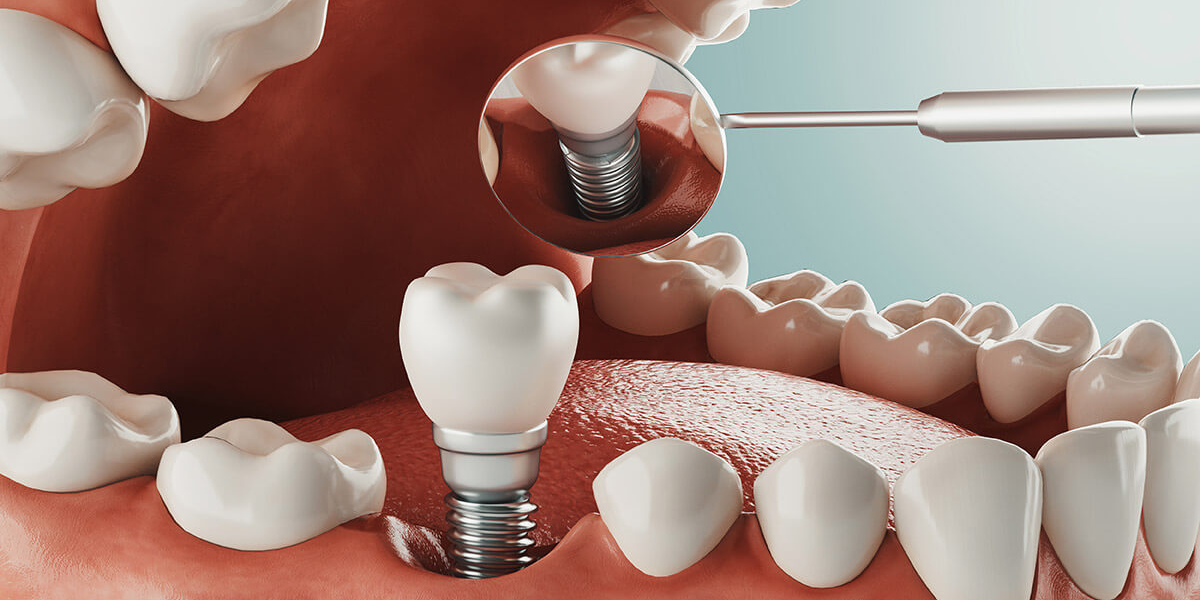
If the gum around a settled dental implant starts bleeding when you brush, arrange a dental check. It does not automatically mean that the implant has failed, but it should not be ignored because the artificial tooth itself cannot get a cavity.
This advice concerns an implant that has been functioning after healing. Bleeding immediately after implant surgery needs the separate aftercare instructions from your surgeon. Persistent surgical bleeding that does not settle needs urgent advice.
The gum and bone around an implant can become inflamed
Plaque can collect around an implant restoration, just as it can around your natural teeth. Two terms help explain what your dentist may be checking.
Peri-implant mucositis means inflammation in the soft tissue around the implant without the associated supporting-bone loss seen in peri-implantitis. It can often be treated successfully when detected early.
Peri-implantitis involves inflammation together with loss of supporting bone. It needs professional treatment and may require surgery. You cannot tell which condition you have from a small amount of blood on your brush.
The American Academy of Periodontology explains peri-implant diseases, including their warning signs and the need for regular monitoring.
Which symptoms should you mention when booking
Tell the clinic if you notice redness, swelling, a bad taste, persistent bad breath, discharge or a change in how the implant-supported tooth feels. Mention whether the bleeding is new, happens repeatedly or occurs without brushing.
A loose crown and a loose implant fixture are different problems. Components supporting an implant crown can need maintenance over time. Bone-involving disease is another concern. Avoid repeatedly testing the tooth by pushing or wiggling it; ask for an assessment.
If you develop rapidly increasing facial swelling, fever or feel generally unwell, seek urgent dental care. Trouble breathing or swallowing, or swelling extending into your neck, requires hospital emergency care rather than waiting for a routine appointment.
What to take to the implant appointment
Bring your implant records, earlier X-rays if available and details of when the crown was fitted. If another clinic placed it, say so when booking. Records can help the dentist understand the system used and the previous condition of the surrounding tissues.
Also bring a current medicine list and explain any history of gum disease, tobacco use or diabetes. These are relevant to risk assessment. The appointment should establish whether the problem relates to gum health, the restoration or another cause before treatment is recommended.
Ask what findings are being used to assess the bone and tissues, and whether earlier records are needed for comparison. A clear explanation is more useful than a diagnosis made from an online photograph.
How treatment may be approached
Early inflammation may improve with professional cleaning and better plaque control at home. Your dentist should show you how to reach the area around the particular crown or bridge you have.
If supporting bone has been affected, treatment is more involved. It can include professional non-surgical care, reassessment and, when appropriate, surgery. The plan depends on the condition of the implant and surrounding tissues. A mouthwash or an antibiotic alone is not a complete long-term maintenance plan.
Smile Town’s dental implant services in Kolkata explain the wider treatment options. If you are concerned about an implant already in place, make that clear when arranging the visit so the consultation addresses maintenance and symptoms.
Cleaning and reviews after the problem is assessed
Continue the cleaning routine your dentist recommends for a healed implant. Ask for a demonstration of brushing around the restoration and the correct interdental tool for the available space. Avoid forcing a brush or a sharp object into an area that it does not fit.
Follow-up should match your risk and findings. Cambridge University Hospitals advises long-term professional monitoring every three to six months in its implant patient guidance. Your own dentist should set the interval for you rather than applying a generic six-month rule to everyone.
Smile Town’s general dentistry and gum care page is a useful place to explore routine oral care alongside implant reviews. Set a reminder for the next appointment while you are at the clinic, particularly if you travel between Kolkata and nearby towns for treatment.
Questions about bleeding implants
Yes. Bleeding and inflammation deserve assessment even without significant pain. Do not use the absence of pain to postpone a review.
Ask your dentist about the appropriate technique. Plaque control remains necessary around a healed implant. Recent surgery is different and needs your surgeon’s specific instructions.
No. Treatment depends on the cause and extent of the problem. Early assessment gives your dentist a better opportunity to explain suitable options.
Implant follow-up at Smile Town Dental and Aesthetic Clinic
Smile Town Dental & Aesthetic Clinic offers implant and general dental care. As a dental clinic Kolkata, residents can contact about a new implant-related concern, the team can discuss your symptoms and arrange an appropriate assessment. Bring earlier implant records if you have them, and ask for a clear cleaning and review plan based on the examination.